Introduction
Picking the right pickleball paddle for control is becoming more important than ever. As the sport grows, many players—especially intermediate and advanced players—want a paddle that helps them place the ball accurately, win points at the kitchen, and keep rallies steady.
A control paddle is all about touch and precision, not power. It helps you slow the ball down, improve your third-shot drops, make clean dinks, and stay consistent during fast exchanges. To achieve this soft and stable feel, most control paddles use features like:
- A thicker core (16–20 mm)
- A raw carbon surface for better feedback
- A larger sweet spot for more forgiveness
These design choices are why models from Selkirk, JOOLA, Franklin, Six Zero, and other well-known brands are so popular among control-focused players.
For brands, retailers, and companies that want to launch their own paddle line, understanding how a control paddle works is the first step. In this blog, we’ll explain:
- What “control” really means
- What features make a paddle more accurate and consistent
- Which famous paddles players love for control
- How our factory can help you design and manufacture your own control paddle, either in small test batches or large-scale production
By the end, you’ll clearly understand what makes a great control paddle and how your brand can confidently create one for your customers.
Section 1: What “Control” Really Means in Pickleball
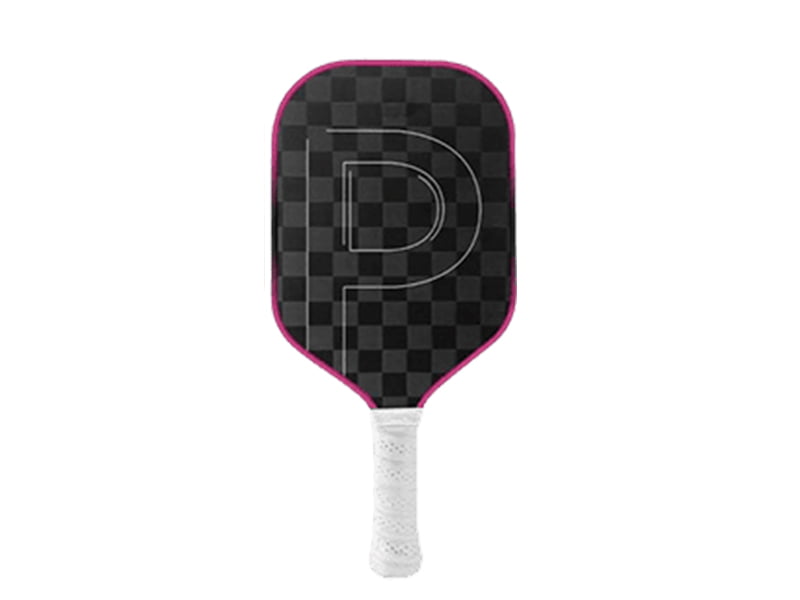
In pickleball, “control” refers to how easily a player can guide the ball with accuracy. A pickleball paddle for control gives you a softer, steadier response so the ball doesn’t jump off the face too quickly. This extra stability helps players place the ball exactly where they want it — especially during dinks, drops, and resets.
Control becomes even more important as players move closer to the kitchen. At the net, rallies are fast but the winning shots are often slow and precise. A power paddle may feel too “jumpy,” while a control paddle lets you soften the ball, keep shots low, and manage high-speed exchanges more confidently.
A few common situations where control paddles make a noticeable difference include:
- Third-shot drops, where a soft, predictable touch helps you land the ball in the kitchen
- Dinks and short exchanges, which rely on finesse instead of strength
- Resets, where slowing the ball down is more important than speed
- Placement shots, where you aim for gaps instead of hitting hard
These shots demand feel rather than force, which is why many intermediate and advanced players naturally prefer a paddle that supports precision.
The design of a control paddle also plays a key role. A thicker core adds softness and increases dwell time, while raw carbon surfaces give clearer feedback on impact. A well-balanced weight and a forgiving sweet spot further help players stay consistent during pressure points.
Overall, control paddles allow players to stay relaxed, manage tempo, and win more points through strategy — not just power.
Section 2: Key Features to Look for in a Pickleball Paddle for Control
A control paddle works because of several design elements working together. By understanding these features, brands and OEM buyers can choose or develop paddles that deliver a softer, more stable feel for players who rely on precision.
Thicker Core for Better Touch
Core thickness is one of the strongest indicators of a control paddle. Most control paddles use 16 mm or 20 mm cores, which help the ball stay on the surface slightly longer. This longer dwell time makes soft shots—like dinks and resets—much easier to manage. Thinner cores, on the other hand, tend to feel more explosive and are often used for power paddles.
Raw Carbon Face for Smooth, Predictable Feel
The surface material affects how the paddle interacts with the ball. Many top control paddles use raw T700 carbon fiber, known for its consistent feedback and grip. This material supports cleaner placement, better spin control, and more confidence during touch shots. While composite surfaces work too, raw carbon has become the preferred choice for accuracy-focused designs.
Balanced Weight for Stability
A good control paddle feels stable in the hand. This doesn’t always mean it’s heavy — instead, the weight is distributed in a way that reduces vibration and helps the paddle stay steady during fast kitchen exchanges. This stability is especially important for players who rely on resets and defensive blocks.
Large Sweet Spot for Fewer Mishits
Control paddles often have a more forgiving sweet spot, making it easier to control the ball even when contact isn’t perfect. This helps players stay consistent during fast-paced rallies and reduces the chance of popping the ball too high.
Comfortable Grip for Smooth Hand Control
Grip size and handle shape also influence control. A handle that feels comfortable allows players to relax their wrist, make cleaner movements, and control the paddle face angle more easily. This is an underrated but important part of maintaining accuracy.
Quick Summary of Key Features
A great pickleball paddle for control typically includes:
- Thicker 16–20 mm core
- Raw carbon face
- Balanced weight distribution
- Forgiving sweet spot
- Comfortable, stable grip
When these features are combined, the paddle delivers a calm, predictable response that helps players stay consistent. For OEM buyers, adjusting these elements makes it possible to create control paddles tailored to different price ranges and performance levels — from beginner-friendly designs to premium thermoformed models.
Section 3: Popular Control-Focused Pickleball Paddle Models
Control paddles can feel very different from one brand to another, but the goal is the same: help players guide the ball with accuracy. Below are several well-known paddles chosen for their control-oriented performance. Reviewing these models gives OEM buyers and paddle brands a clearer understanding of which design features players prefer in control-style paddles.
Selkirk LUXX Control Air
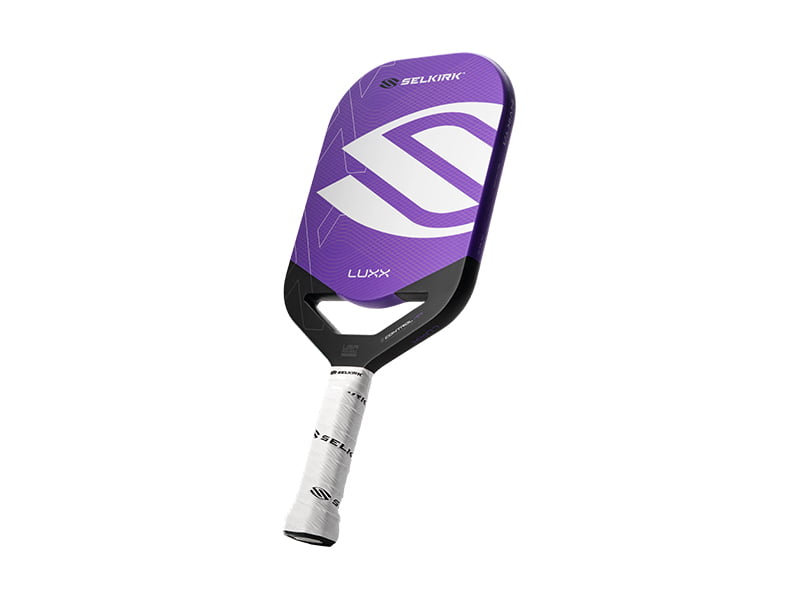
The LUXX Control Air sits at the top of Selkirk’s control lineup. It uses an extra-thick core that softens the ball on impact, giving players more time to direct their shots. The textured carbon surface also helps players keep dinks low and predictable. Overall, the paddle feels calm, stable, and very steady in the hand — ideal for players who rely on kitchen play and precision.
Why players choose it:
- Extremely soft feel
- Very stable during delicate shots
- Reliable performance for advanced control-style play
Selkirk SLK EVO Control

The EVO Control is a more accessible model designed for players who want consistent feel without a premium price tag. Its thick core reduces pop and vibration, making it easier to manage soft shots. The paddle feels forgiving across the face, which helps improving players reduce mishits and maintain better placement in long rallies.
Best for:
- New and intermediate players
- Brands looking for a mid-range control paddle design
Franklin C45 Tempo
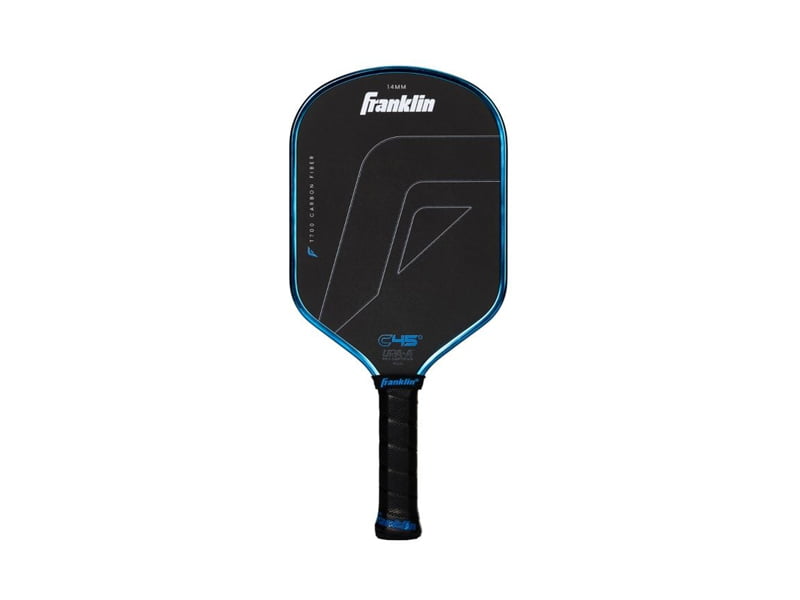
The C45 Tempo has a smooth, slightly muted response that many players find helpful for resets and drop shots. Instead of producing fast bounce, the paddle absorbs a bit of energy, giving the player more control in tight kitchen battles. It’s a simple, stable paddle that rewards consistency rather than force.
Key advantage:
A softer, slower ball response that helps steady a player’s touch.
Six Zero Double Black Diamond Control

The DBD Control is known for its “buttery” touch. Its thick core and raw carbon face create a long dwell time, making it easier to guide the ball rather than launch it. Players often comment on how forgiving the sweet spot feels, especially during dinks and defensive resets.
Why it stands out:
- Very soft impact feel
- Larger sweet spot for steady precision
- Ideal for players who prioritize touch over speed
Diadem Warrior BluCore
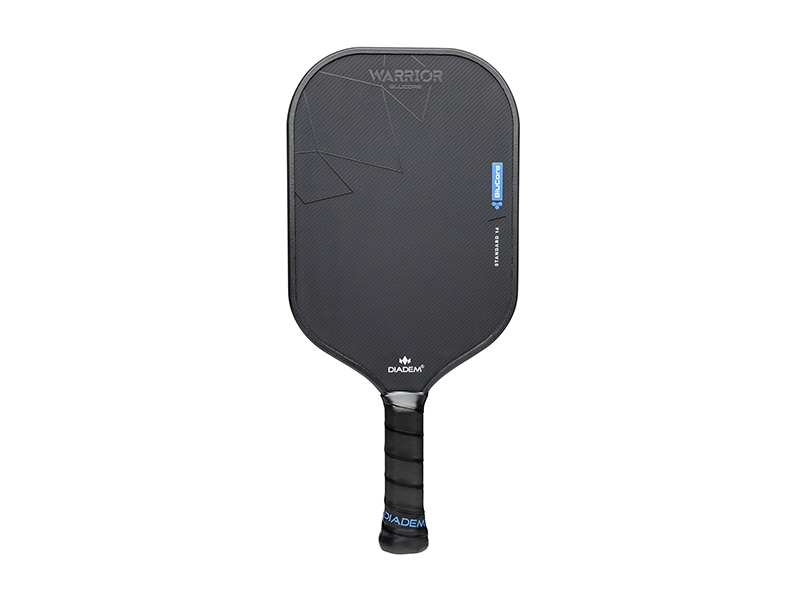
The Warrior BluCore focuses heavily on comfort and stability. Its core design reduces vibration, which gives the paddle a smooth, cushioned response. During fast exchanges, the paddle helps players gain back control by absorbing momentum instead of returning it with too much force.
Good for:
Players who want maximum softness and vibration dampening during long kitchen play.
Honolulu J2FC
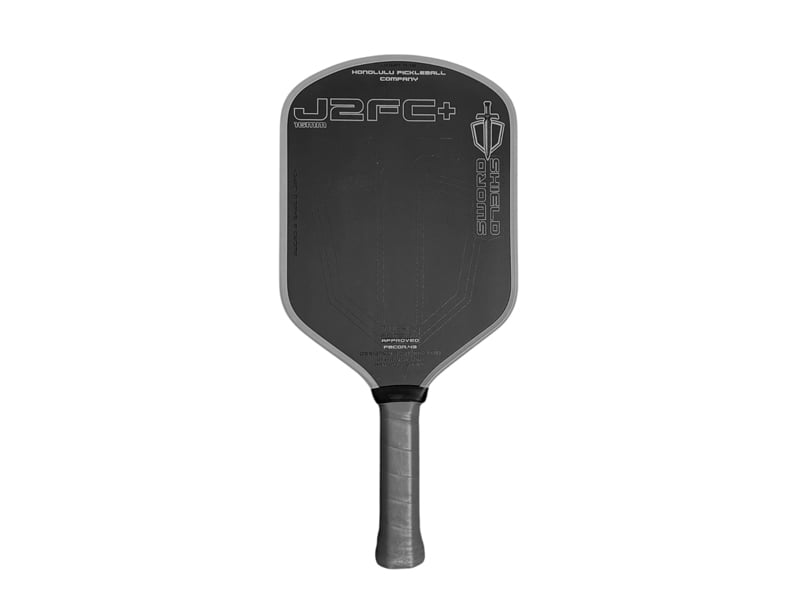
The Honolulu J2FC offers a boutique-style approach to control. It combines a textured carbon surface with a balanced frame to create a clean, predictable feel. The paddle performs especially well during gentle touch shots, allowing players to keep the ball low and consistent even when the pace increases.
Why players appreciate it:
- Easy to control during dinks
- Stable feel without added weight
- Smooth performance in tactical, slow-paced rallies
JOOLA Hyperion Vision 16mm (Control vs Hybrid Feel)
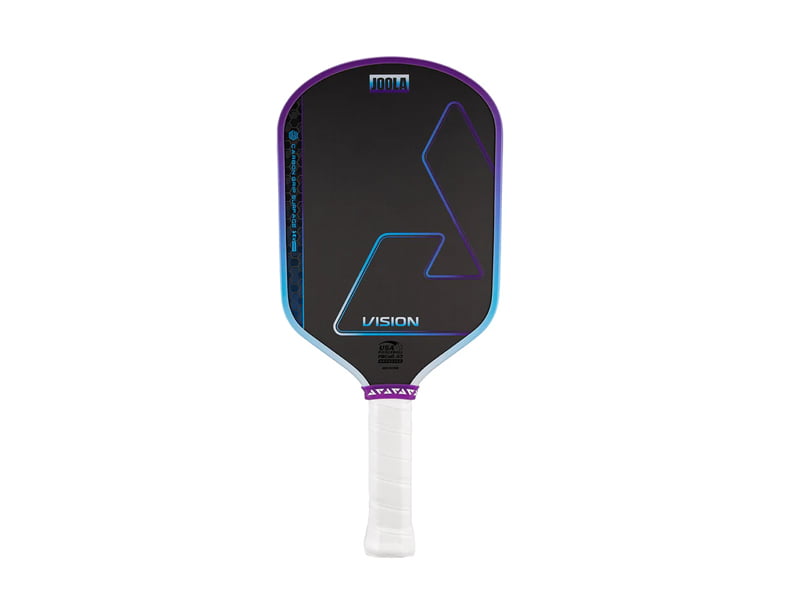
Although not a pure control paddle, the Hyperion Vision 16mm blends touch with a livelier, more responsive bounce. The thicker core does help soften impact, but its overall design leans toward versatility rather than full control. Including it here helps highlight how small design differences can shift a paddle from “control-first” to “all-court.”
Useful as a comparison:
Shows how core thickness alone doesn’t guarantee a true control feel.
What These Models Tell Us
Across all popular control paddles, several common patterns appear:
- Thicker cores help players soften the ball and guide shots more easily.
- Raw or textured carbon surfaces support better touch and placement.
- Stable construction and larger sweet spots reduce mishits.
- Softer response = more confidence during dinks, drops, and resets.
These examples give OEM buyers a clear roadmap for designing their own control paddle line, whether targeting beginners, intermediates, or advanced players.
Section 4: How We Help Brands Build a True Pickleball Paddle for Control
Creating a pickleball paddle for control requires more than simply choosing a thick core or a carbon surface. A good control paddle needs a steady, predictable feel that helps players guide the ball with confidence. Our factory supports brands by helping them shape these details into a paddle design that performs consistently on the court.
We begin by understanding the exact feel the brand wants — whether softer touch for dinks, extra stability for resets, or a larger sweet spot for consistent placement. From there, we help adjust key specifications such as core thickness, surface texture, weight balance, and paddle shape. Even small changes in these areas can greatly influence how the paddle responds during slower, more precise shots.
Quality consistency is another important part of the process. We check surface uniformity, weight accuracy, bonding strength, and sweet-spot performance to ensure every paddle feels stable and reliable. This level of attention helps brands create paddles that players can trust during kitchen play and longer rallies.
By combining clear design guidance with careful production, we help partners bring dependable control-focused paddles to market — paddles that support smooth touch, accurate placement, and confident gameplay.
If you’re planning to launch your own paddle line, contact us to design and manufacture Custom Pickleball Paddles Bulk tailored to your brand’s control-focused needs.
Section 5: Conclusion
A good pickleball paddle for control helps players feel more confident during soft shots, dinks, and kitchen play. It gives the ball a calmer, steadier response so players can focus on accuracy instead of power. As more players choose this style of paddle, brands and retailers have a great chance to offer products that support consistent, precision-focused gameplay.
Understanding what makes a paddle feel controlled—like a thicker core, a stable sweet spot, and a carbon surface—helps brands create better products for their customers. These features make the paddle easier to handle and more predictable from shot to shot.
If you’re planning to introduce your own control paddle or expand your current lineup, we can help. As a reliable pickleball paddles manufacturer in China, our team supports brands with clear design guidance, consistent quality, and the experience needed to build paddles players can trust.